
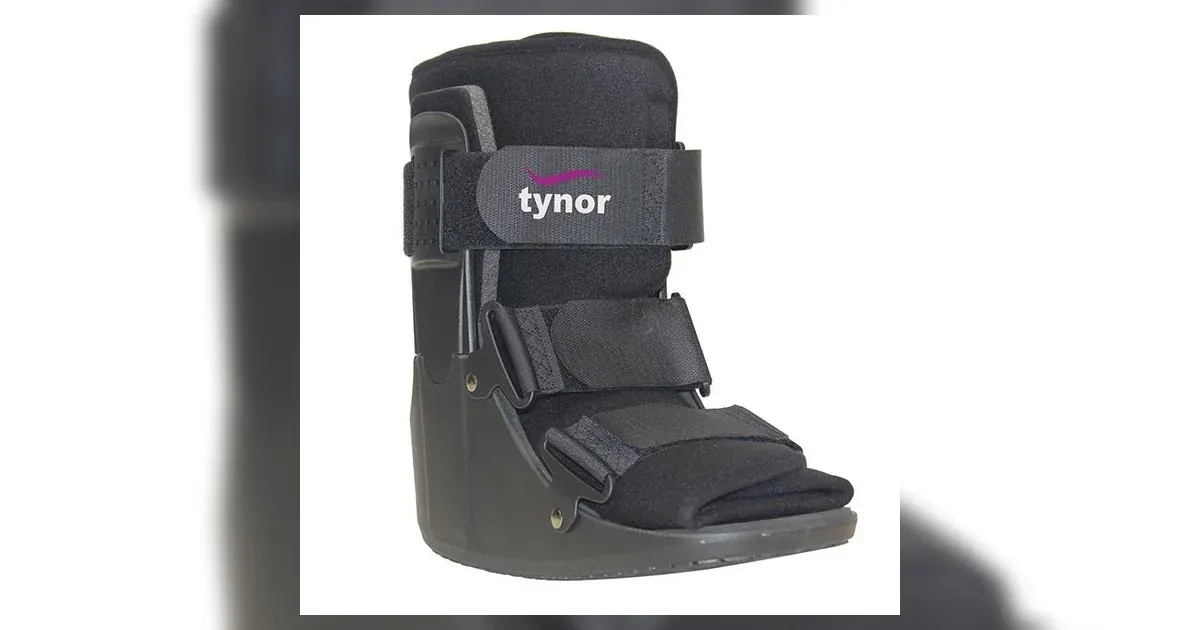
The Tynor Walker Boot is an orthopedic foot and ankle support designed to provide structured immobilization, protection and stability during recovery from certain foot, ankle and lower-leg injuries. Depending on the model, it may feature rigid supports, a rocker sole, cushioned liner, adjustable straps or an integrated pneumatic air system. Tynor Walker Boots are available in different designs and sizes for specific clinical requirements.
The Tynor Walker Boot is an orthopedic immobilization and support device designed to protect and stabilize the foot, ankle and, depending on the model, the lower leg during injury recovery or rehabilitation. Walker boots are commonly considered when structured support is required following certain fractures, sprains, soft-tissue injuries, post-operative procedures or after removal of a cast, when recommended by a qualified healthcare professional. Tynor offers different walker boot designs, including short and long versions as well as pneumatic air models, so the exact level of coverage and support depends on the particular product. Standard designs can include a broad foot casing, rigid upright supports, cushioned foam liners and a wider rocker sole, while air models can incorporate adjustable pneumatic chambers to provide a more customized fit and compression. The rocker sole is designed to support a more comfortable walking pattern while the rigid structure helps limit unwanted movement of the foot and ankle. Because different injuries require different levels of immobilization, the appropriate walker boot should be selected according to the injury, treatment plan, foot or leg coverage required and professional medical recommendation.
The construction of a Tynor Walker Boot combines protection, stability, cushioning and controlled mobility to support patients during an appropriate stage of recovery. Depending on the model, features may include rigid side supports for ankle stabilization, a strong foot casing for protection, adjustable straps for secure fitting, a padded or foam inner liner for comfort and a rocker-bottom sole designed to make walking more manageable while the affected area remains supported. Tynor's Air Walker Boot models add an integrated pneumatic system that allows the air chambers to be adjusted around the ankle, helping create a more personalized fit and stable immobilization. The Air Short model, for example, uses bilateral air bladders, rigid upright bars, a shock-absorbing insole and a rocker sole, while the Air Long model provides higher coverage over the lower leg. These features can be useful when a clinician recommends structured immobilization for conditions such as certain foot or ankle fractures, moderate to severe sprains, post-operative recovery or other situations requiring protection and stabilization. However, a walker boot should not be self-prescribed simply because an injury appears similar to another condition; the type, size, duration of use and amount of weight-bearing should be determined by the treating doctor, orthopedic specialist or physiotherapist.
For customers searching for a Tynor Walker Boot in Nepal, choosing the correct model and size is one of the most important factors for safe and comfortable use. Tynor walker boots are available in different configurations, including short and long designs and pneumatic air versions, and the appropriate choice depends on the location and severity of the injury and the level of immobilization recommended by the healthcare professional. A properly fitted boot should keep the heel positioned securely, provide stable support around the foot and ankle and remain comfortable without excessive pressure on the skin. Customers should also consider whether they require a standard walker boot or an air/pneumatic model, the required level of lower-leg coverage, available size, fastening system, liner, sole design and intended duration of use. AR Surgical Suppliers in Tripureshwor, Kathmandu provides orthopedic supports and medical-care products, making Tynor Walker Boot a relevant option for customers looking for foot and ankle immobilization products in Nepal. Before purchasing, customers should confirm the exact Tynor model, size and availability and, particularly following a fracture or surgery, use the boot according to the instructions provided by their healthcare professional.
What Is a Tynor Walker Boot?
A Tynor Walker Boot is a removable orthopedic boot designed to support and immobilize the foot and ankle during appropriate stages of injury recovery. It provides a structured alternative to less supportive footwear when greater protection and movement control are required. Depending on the model, the boot may extend below the calf or provide higher coverage around the lower leg.
How Does a Walker Boot Work?
A walker boot surrounds the foot and ankle with a rigid or semi-rigid protective structure that helps restrict unwanted movement. The internal liner provides cushioning between the limb and the boot, while adjustable straps help secure the foot in position. The rocker sole is designed to make walking more manageable while reducing the need for excessive bending through the injured foot and ankle. Air models use pneumatic chambers to provide adjustable compression and support around the ankle.
Key Features of Tynor Walker Boot
Depending on the specific model, Tynor Walker Boots may feature a broad protective foot casing, rigid upright supports, foam or cushioned lining, adjustable straps, a wider rocker sole, lightweight molded construction and bilateral design that allows use on either foot. Pneumatic versions additionally feature an integrated air compression system that allows the level of support and fit to be adjusted. Exact features should always be checked against the particular Tynor model before purchase.
Uses of Tynor Walker Boot
A Tynor Walker Boot may be recommended for support and immobilization following certain foot and ankle fractures, moderate or severe sprains, soft-tissue injuries, post-operative recovery and post-cast rehabilitation. Some models may also be used when controlled ankle stabilization is required. The exact indication depends on the model and the patient's clinical condition, so the boot should be used under professional guidance.
Tynor Walker Boot for Ankle and Foot Injury
A walker boot can provide a protected environment around an injured foot and ankle while allowing appropriate movement or weight-bearing when permitted by the treating clinician. Its rigid structure helps stabilize the affected area, while the rocker sole can support a more comfortable walking pattern. The level of mobility permitted while wearing the boot depends on the injury and treatment plan.
Standard and Air Walker Boot Designs
Tynor offers different walker boot configurations. Standard designs such as the Cam Walker Boot Short use rigid upright supports, a broad foot casing, foam cushioning and a rocker sole. Air models add pneumatic air chambers that can be adjusted for a more personalized fit and compression. Tynor also offers short and long versions, with long models providing greater lower-leg coverage.
Benefits of Tynor Walker Boot
A Tynor Walker Boot can provide structured immobilization, protection and stability while supporting appropriate mobility during recovery. Its padded interior can improve comfort, adjustable straps allow the fit to be secured around the limb, and the rocker sole can help facilitate walking. Air models can provide additional adjustability through their pneumatic system. The actual benefits depend on the specific model and the patient's condition.
Who May Need a Walker Boot?
A walker boot may be recommended for people recovering from certain fractures, ankle sprains, foot injuries, soft-tissue injuries or orthopedic procedures. It may also be recommended during post-cast rehabilitation or when temporary immobilization is required. The decision to use a walker boot should be made by a healthcare professional based on the patient's injury and recovery requirements.
How to Choose the Right Tynor Walker Boot
When choosing a Tynor Walker Boot, consider the location of the injury, required level of immobilization, required lower-leg coverage, size, type of liner, fastening system and whether a pneumatic air system is required. A short boot may provide lower coverage, while a long boot extends higher up the lower leg. The correct option should be selected according to the treating professional's recommendation rather than simply choosing based on appearance or price.
How to Wear a Tynor Walker Boot
The general fitting process involves opening the boot, positioning the heel fully into the heel area, wrapping the liner around the foot and lower leg and fastening the straps securely. The straps should provide a firm fit without being excessively tight. For pneumatic models, the air chambers should be inflated only to a comfortable level according to the manufacturer's instructions. The exact fitting procedure can vary between models, so users should follow the supplied instructions and professional advice.
Care and Maintenance
The care requirements depend on the particular walker boot model. Foam liners and removable insoles may require hand washing and air drying, while the external shell can generally be cleaned according to the manufacturer's instructions. The boot should be inspected regularly for damaged straps, fasteners, padding, shell components or air chambers. A damaged walker boot should not be used because its support and stability may be affected.
Safety and Precautions
A Tynor Walker Boot should be used according to professional medical advice, particularly after a fracture, surgery or significant injury. Users should monitor the skin and affected limb for unusual pressure, irritation, numbness, increased pain or circulation changes. Pneumatic air models should not be over-inflated because excessive compression can cause discomfort or affect circulation. If unusual symptoms develop, the boot should be removed or adjusted as advised and appropriate medical attention should be sought.
Tynor Walker Boot in Nepal
If you are searching for a Tynor Walker Boot in Nepal, AR Surgical Suppliers in Tripureshwor, Kathmandu provides orthopedic supports and medical-care products. Customers can check the available Tynor walker boot model, size and configuration according to their requirements. Since Tynor offers different walker boot designs, customers should confirm whether they need a standard, short, long or pneumatic air model before purchasing.
Conclusion
The Tynor Walker Boot is an orthopedic support designed to provide structured protection, stabilization and immobilization of the foot and ankle during appropriate stages of recovery. Depending on the model, features can include rigid supports, protective foot casing, cushioned liners, adjustable straps, rocker soles and pneumatic air chambers. These features make walker boots useful for selected foot and ankle injuries, post-operative recovery and rehabilitation when recommended by a healthcare professional.
For people looking for a Tynor Walker Boot in Nepal, selecting the correct model and size is essential for comfortable and appropriate support. Customers should consider the injury location, required immobilization, boot length, fit and whether an air/pneumatic system is needed. AR Surgical Suppliers in Tripureshwor, Kathmandu can provide information about available Tynor orthopedic products, models and sizes.